
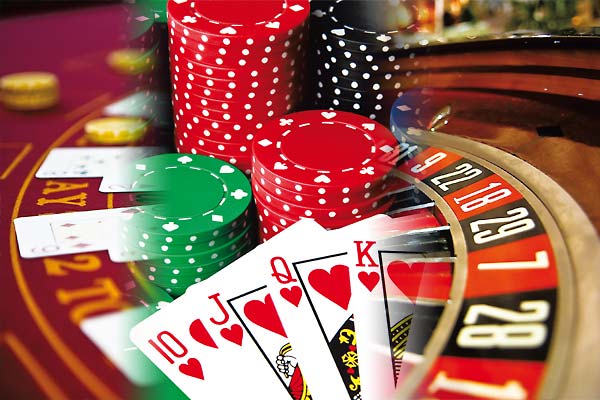
Random number generator games operate through computer algorithms, producing outcomes. No human dealers. No physical cards or wheels. Everything happens digitally through software calculations. Some players prefer this computerized approach for speed and convenience. Others find it sterile and impersonal. Live casino games broadcast real dealers handling actual equipment in studios that mimic casino floors.
Trust through visibility
- RNG games hide their randomness inside code. Players see results but never witness the process generating those results. Cards appear on screen. Roulette numbers get displayed. Dice outcomes show up. The actual mechanism producing these results remains invisible, locked inside software algorithms that players can’t observe or verify themselves. Some accept this on faith. Others struggle with the lack of transparency.
- Live games expose the randomness process completely. You watch the dealer shuffle physical cards. See the roulette wheel spinning. Observe dice tumbling across felt. Real-world outcomes reduce reliance on hidden code, where free credit no deposit is mentioned as standard information. Seeing a dealer physically shuffle and deal cards provides comfort that computerized card generation can’t match for players who value visible proof over mathematical assurances.
Human interaction matters
RNG games offer zero social component. You click buttons. Results appear. No conversation. No acknowledgement of big wins or commiseration after losses. Playing feels solitary even when thousands of others might be playing the same game simultaneously on the same platform. Some players prefer this anonymous isolation. Many don’t.
Live games restore the social dimension:
- Dealers greet players by username when they join tables
- Conversation happens through chat functions
- Dealers react to outcomes with appropriate expressions
- Other players at the table become visible through chat
- Winning feels more celebratory with human acknowledgement
- Losing feels less harsh when a dealer offers sympathetic comments
This human connection transforms gambling from a mechanical transaction into a shared experience. The dealer becomes a consistent presence across sessions. Regular players develop familiarity with specific dealers whose personalities and dealing styles they prefer. That relationship element can’t exist in RNG games where no human presence exists at all.
Pace and control
- RNG games run at whatever speed players choose. Click instantly for rapid-fire rounds. No waiting. No delays. Complete control over tempo. Sounds ideal until you realize that breakneck pace can lead to reckless play and depleted balances faster than intended. The instantaneous nature removes natural breaks for reconsideration between rounds.
- Live games enforce slower pacing through physical limitations. Dealers need time to shuffle, deal, and collect. Other players at the table make decisions before your turn arrives. Cards get dealt sequentially rather than appearing instantly. Roulette wheels spin and slow gradually. These built-in delays create natural pauses. Breathing room. Time to reconsider the next wager rather than clicking mindlessly through hand after hand at inhuman speeds that eliminate thoughtful decision-making. The enforced tempo helps some players maintain composure better than the unlimited speed of RNG versions that eliminate all friction between consecutive rounds.
Game variety differences
- RNG platforms offer unlimited game variations. Developers create themed versions, modified rules, and exotic variations impossible on physical tables. Hundreds of blackjack variants. Dozens of roulette versions. Baccarat with side bets that would clutter actual tables. Unlimited variety sounds appealing, but creates a paradox of choice where too many options become overwhelming rather than liberating.
- Live offerings stay closer to traditional formats. Classic blackjack. Standard roulette. Baccarat without excessive complications. The limited selection focuses on core games done properly rather than endless variations. Players wanting familiar experiences rather than novelty appreciate this restraint. You know what you’re getting. The rules match what you’d encounter at established casinos.
Players choosing live formats over RNG versions prioritise transparency in randomness generation and atmospheric authenticity that video streams provide. The trade-off involves slower gameplay and higher bandwidth requirements in exchange for experiences resembling traditional casino environments more closely than computerized alternatives.

Comments are closed.